
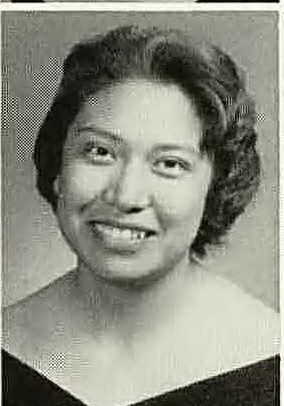
Phyllis was a member of the Yuchi Tribe, a founding member of the Denver Indian Family Resource Center.
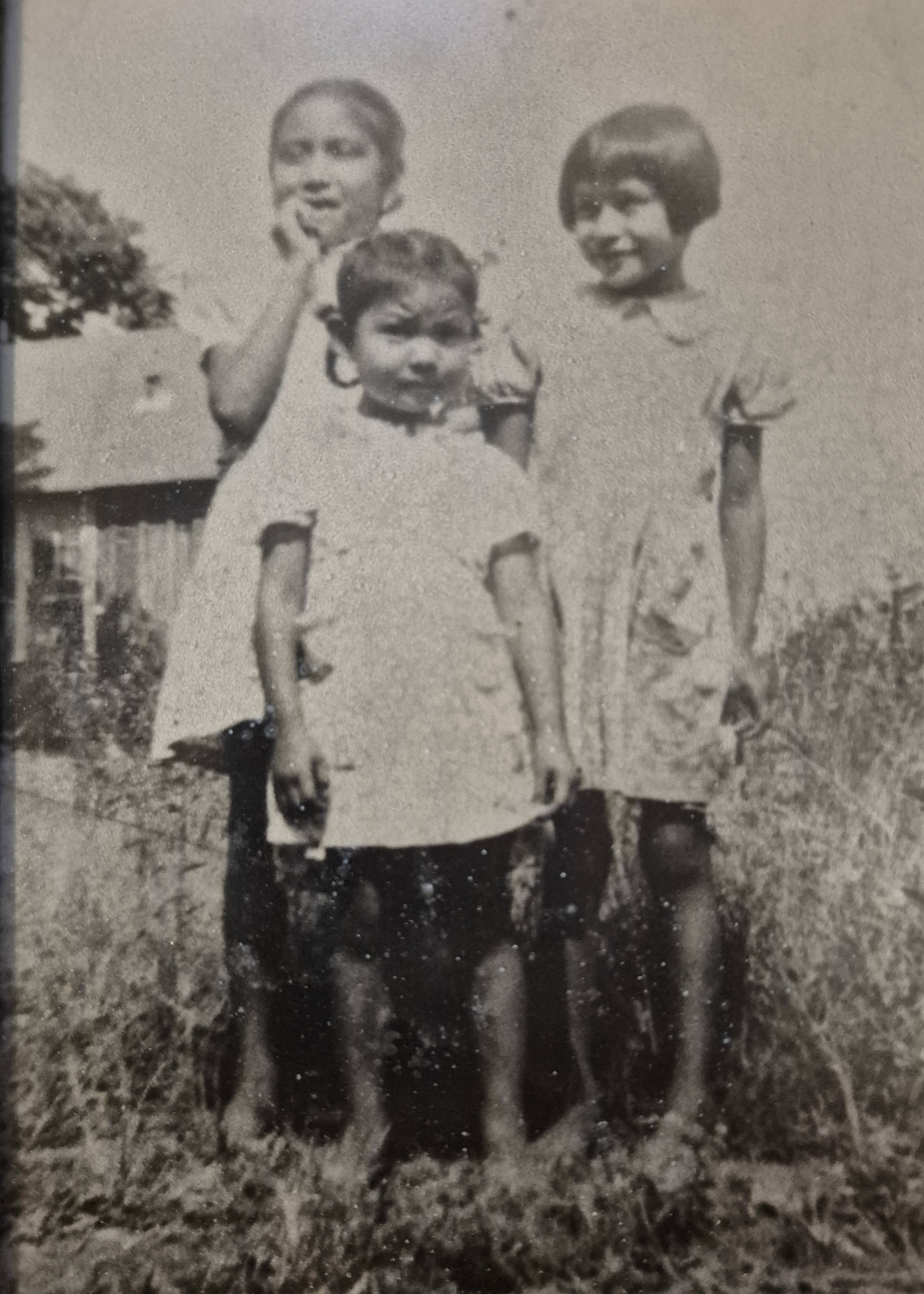
Phyllis Joan Bigpond was born on October 7, 1939, in Mounds, Oklahoma. Her parents were Albert and Nellie Bigpond, and the family was part of the Yuchi Tribe. Her early years were spent in what was largely a farming community. While she and her siblings attended school, her parents did not have education opportunities growing up so her father supported the family by farming and doing other jobs that involved a lot of hard work. Her parents ensured their children had opportunities that they didn't have growing up.
Phyllis made the best of her educational opportunities and ended up representing her school in spelling bees. While living in Sapulpa, Oklahoma, she went on to win the Northeast Oklahoma regional spelling bee in 1951. When she was still a young student, she said her favorite sport was basketball and that she hoped to become a secretary when she grew up. In 1957, she was in the newspaper again for taking orientation examinations at the Baker University Campus in Baldwin City, Kansas. The Tulsa Tribune described her as an “A” student. She went on to attend Oklahoma State University. Phyllis was one of several students from Sapulpa who made the dean’s list in 1960 and graduated from OSU on May 28, 1961.
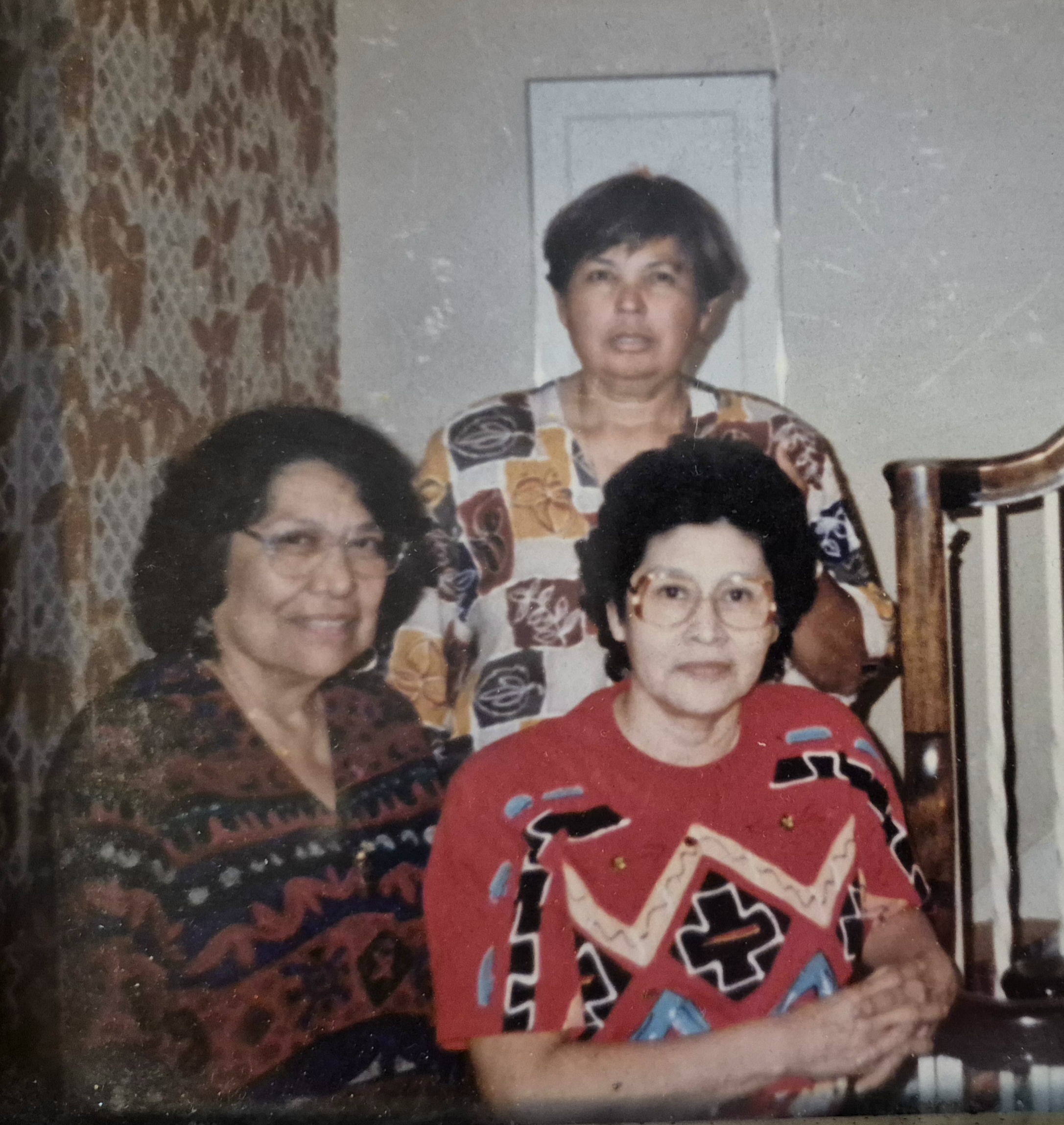
After college Phyllis went to St. Louis, Missouri, to attend Washington University’s George Warren Brown School of Social Work. It was here she received her Master of Social Work (MSW). Both Phyllis and her older sister, Alice, worked for Native American community centers. By 1985, Phyllis was representing the Phoenix Indian Center in Arizona. The Phoenix Indian Center was among the oldest in the country. Government policies forced many Native Americans off reservations and traditional lands and into large cities. The Native American community centers and individuals like Phyllis and Alice helped people adjust to life in the city and find jobs, support, and community. In support of this mission, Phyllis founded Phoenix’s Native American Recognition Days, days when the community comes together for a banquet. The celebration continued to grow across the decades since it began in 1982. Her sister Alice would likewise spend much of her adult life working at the Lincoln Indian Center in Nebraska until her death in 1995.
Throughout much of the 20th century many Native American children were removed from their families and placed in non-Native homes. In 1978, the federal government passed the Indian Child Welfare Act, which required agencies to prioritize placing children removed from their homes into the homes of relatives or other Native people. While this law helped improve the situation, it was not a perfect fix for the problem, and that led to the foundation of organizations like the Denver Indian Family Resource Center (DIFRC). The DIFRC was founded in 2000 with Phyllis as its first director. Their goal was to connect families with resources and a strong community to help Native parents and children to stay together and thrive. Within the first two years of the center, 27 children were reunited with their parents, and another 21 found their way back to other relatives.
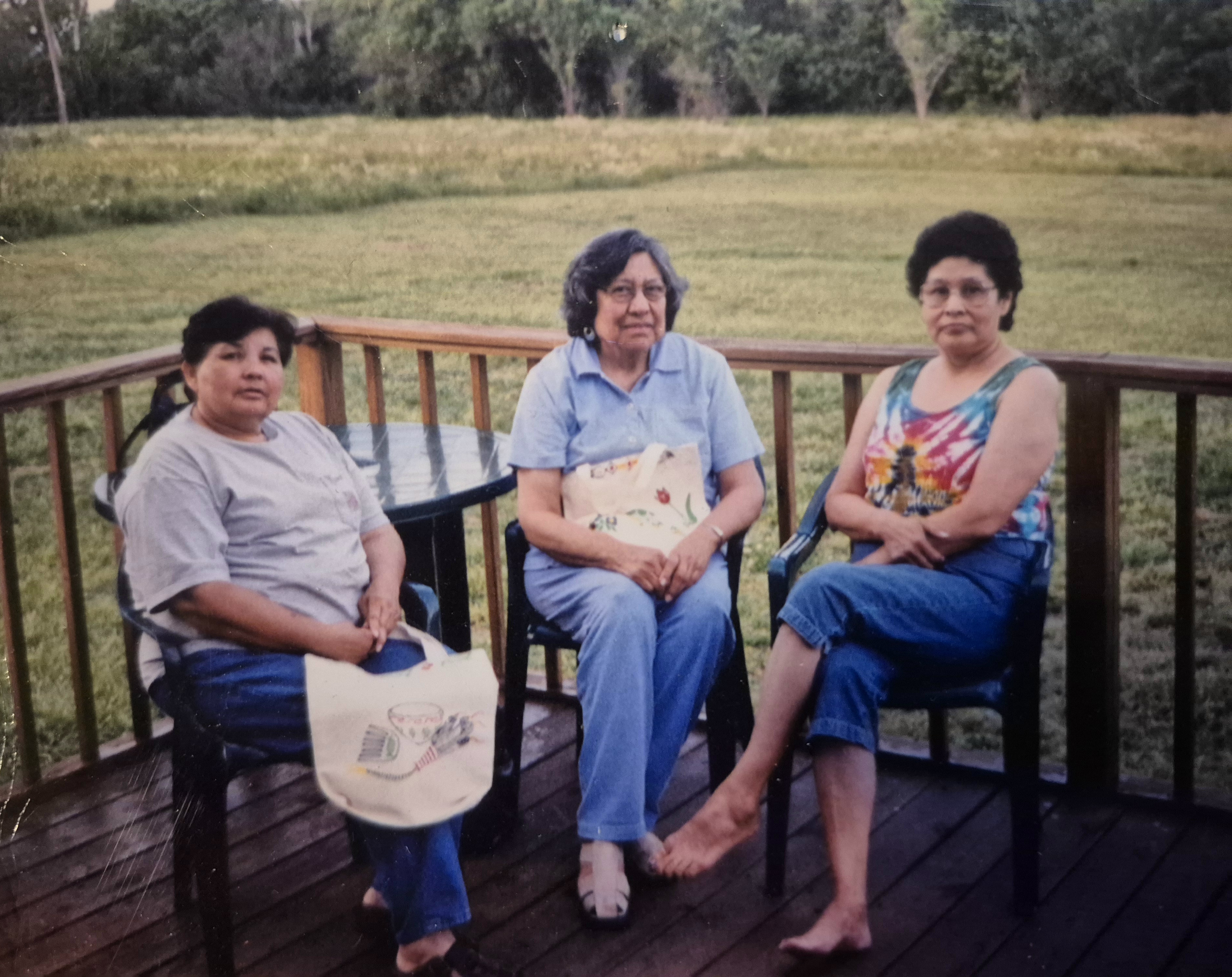
Since its founding DIFRC reports an 89% success rate in helping Native children return to their families and has aided over 2,400 children in these cases. They serve over 100 tribes represented just within the Denver area and assist over 500 families per year in obtaining basic help with food and utilities, as well as parenting classes and school supplies. They also work with dozens of other city, Native, and non-profit agencies to ensure members of the community can get their needs met. During Phyllis’ time with the center, she built strong relationships with groups such as the Denver Indian Center, Native American Counseling, Casey Family Programs, and others working to keep Native families together and thriving.
In 2002, she was honored as a distinguished alumna of the George Warren Brown School of Social Work as well as being named a Woman of Distinction by the Girl Scouts Mile Hi Council. In 2007, she received the Swanee Hunt Individual Leadership Award from the Denver Foundation. She also received the Outstanding Native American Leader award from the Association of American Indian Social Work. The Arizona American Indian Excellence in Leadership Awards have added a lifetime achievement award named for Phyllis. In 2008, she had surgery for a brain tumor, only to discover she had another that could not be removed. Only then did she give up work and move to the Yakima Reservation in Washington State to be with her family before she died in 2009. Shortly before her death, Metropolitan State College of Denver awarded her the Martin Luther King Jr. Peace Award. The groups she helped found continue to serve the growing communities that she sought to help throughout her life. According to her nephew Negiel Bigpond,
“She knew a lot about everything. She knew a lot about the history of the Yuchi people. She was always a person that tried to introduce you to excellence. That includes getting an education, knowing your history, knowing about your family, knowing where you came from.” - Muskoke Media May 15, 2025
reservations - pieces of land set aside by the government for Native Americans
alumna - a former student of a school
Why do you think Phyllis and her sister both wanted to spend their lives serving the community?
Can you think of any challenges that might be unique to Native Americans who were forced to relocate to cities?
Clipping file (Available upon request)