
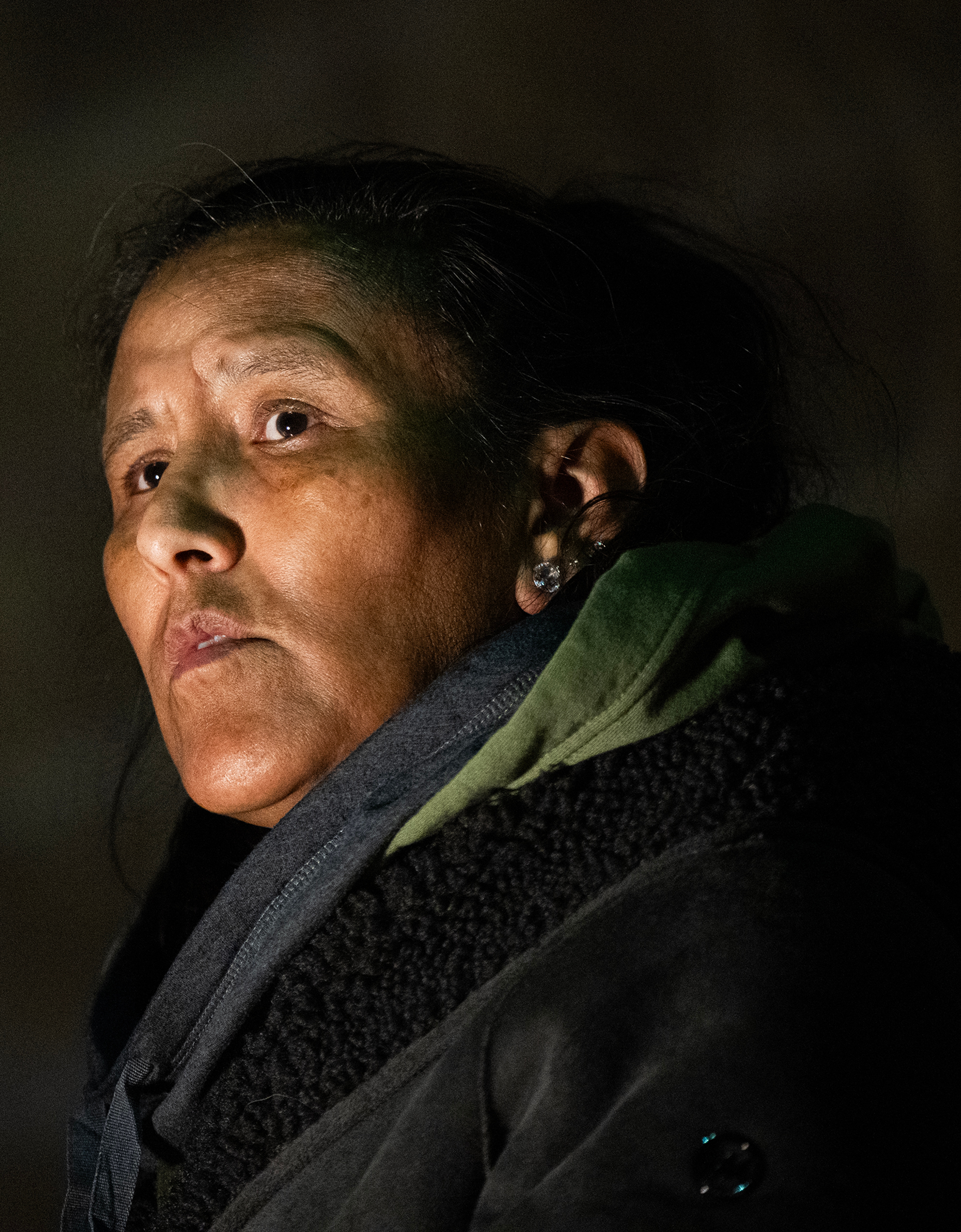
Jeanette Vizguerra came to America as an immigrant and became an important immigrant rights leader both in Colorado and for the country.

Jeanette and her husband left Mexico after he was kidnapped three times in Mexico City. They arrived in the United States in 1997, where they raised their four children. For a time she ran her own moving and cleaning business. Like many immigrants she regularly checked in with government representatives, but they only granted six months to stay in the country each time. This made life difficult for her and her American-born children.
Immigration and Customs Enforcement (ICE) first pulled over Jeanette for having a dirty license plate on her car in the late 2000s. After facing deportation threats from the government for years due to her lack of permanent status, Jeannette received hopeful news in 2016. She was granted a one year stay versus a six month one, which gave her hope for obtaining a green card.
Her lawyers worked to get her a special type of visa issued to victims of violent crimes during this time, which would allow her to obtain a green card at the end of three years. One year after being granted a year-long stay, the new anti-immigration Trump administration came into office. Jeanette and her family now feared deportation by ICE again. Rather than attend her regularly-scheduled meeting with ICE, she sought sanctuary in the First Unitarian Church in Denver. The practice of seeking protection from authorities in a church goes back to Medieval Europe, but regained public attention in the United States again in the 1960s when people sought refuge to avoid the draft for the Vietnam War. Despite being forced to stay inside the church Jeanette spoke out, which got the attention of local city leaders.
"What's happening to Jeanette Vizguerra is appalling and the result of a broken immigration system -- a system made worse by the chaotic actions of the White House and ICE," Denver Mayor Michael Hancock said in a news release. "Jeanette is not a threat to our community. She is a mother of four, an active community member and someone who has persistently pursued legal status through the proper channels." – Denver Post, February 16, 2017
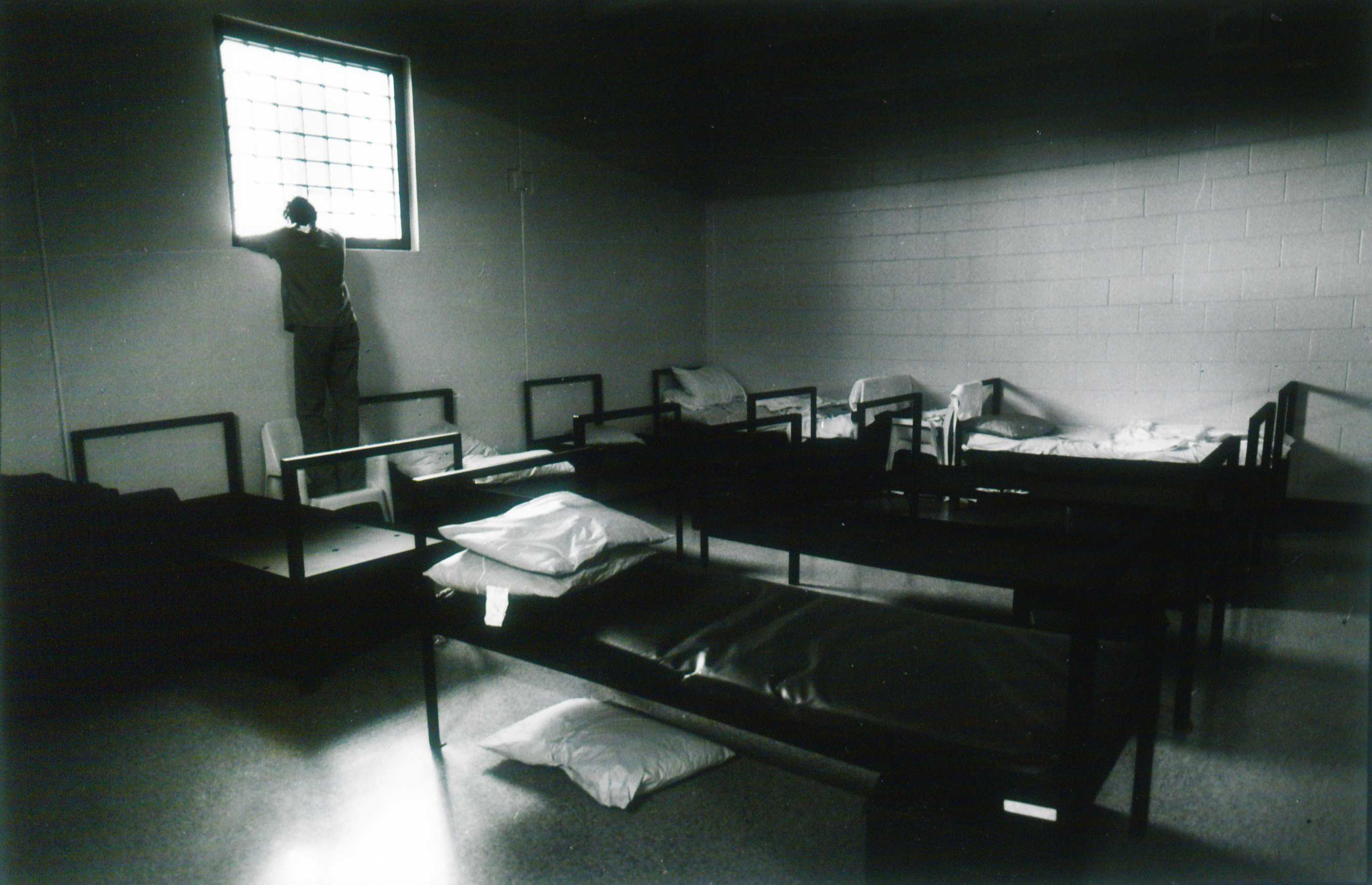
ICE, however, prioritized her deportation because of two prior misdemeanors. In order to obtain work Jeanette used a fake Social Security card soon after she arrived in the U.S. In 2013 she illegally reentered the country after visiting Mexico for her mother’s funeral. After the first week Jeanette spent in the church, over 200 people showed up at ICE headquarters in Centennial, Colorado to protest the Trump administration's attempts to deport her and other immigrants. The Denver Post reported on March 12, 2017 the number of immigrants seeking refuge in churches nationwide doubled to 800 following Trump’s election in 2016.
“It’s not easy to think about having to wait four years until the Trump administration might end,” she said. “We are frustrated by this situation and it makes me wonder why the administration is trying to tear up what could be very harmonious communities and a harmonious country.” – Jeanette Vizguerra, Denver Post, April 30, 2017
In May 2017 Jeanette and Arturo Hernandez Garcia, who was also seeking refuge in a Colorado church, attended a rally at the Capitol to announce they obtained a 2-year stay of deportation just before the Trump administration changed the rules again. Jeanette conveyed her joy at being able to celebrate Mother’s Day at home and now Arturo could attend his daughter’s graduation ceremony. A month later immigrant rights organizations started the Colorado Rapid Response Network to track and respond to ICE raids within the community. At the time Colorado had the largest number of immigrants living in the sanctuary of a church in the country.
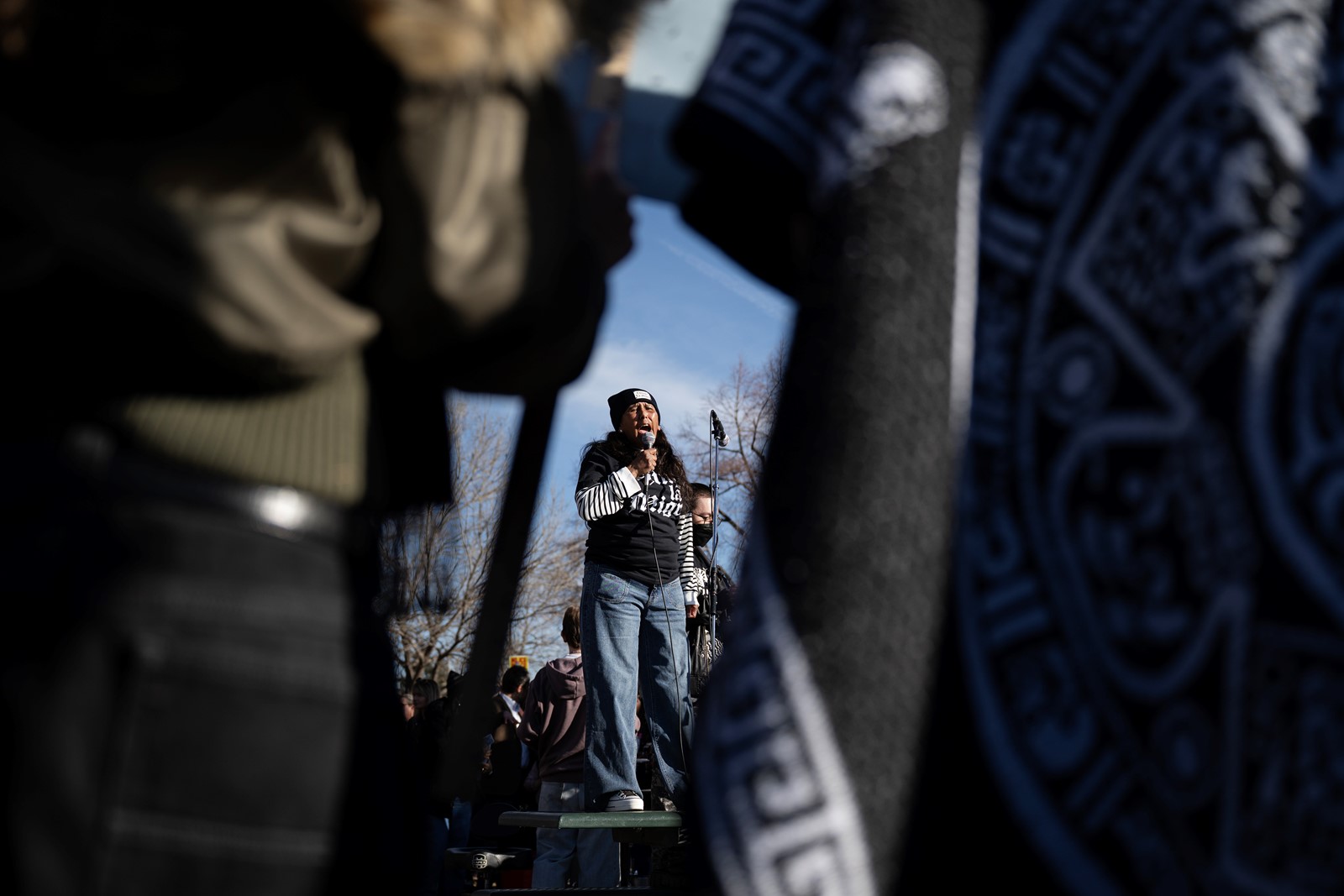
One year after leaving sanctuary Jeanette organized a protest outside the ICE offices in Centennial, Colorado against family separations and the imprisonment of children. Similar protests also took place in cities like Portland, Oregon and Philadelphia, Pennsylvania. In 2019 her stay of deportation ran out and she again sought sanctuary in the church. Her lawyers also filed a lawsuit against ICE for illegally trying to deport her without getting a deportation order from a judge. In Jeanette’s words,
"I'm tired of hearing from people that I should go back and take my children back to Mexico," Vizguerra said. "My roots are on this continent. If you think I should go back, you should pack up and go back to yours. ... We pay taxes. We work hard. ... I'm a mother just like any other mother who will do what is best for her children every time." –Denver Post, March 16, 2019
Two months later Jeanette received news her application for the three-year visa she applied for a few years prior got denied.
After the Biden administration came into office in 2021 the federal government told Jeanette and several other immigrants who sought refuge in churches they would block any deportation attempts for the next year. For the next several years life was generally peaceful for Jeanette and her family. The start of the second Trump Administration in 2025 came with a renewed threat of mass deportations, an end to many claims of refugee status, and a government willing to enter churches, schools, and hospitals in pursuit of immigrants and refugees. Religious leaders from many different faiths began working together to protect local immigrants including refugees like Jeanette, and “Dreamers” who had been brought to the U.S. as children. One of these religious leaders was Rabbi Joseph Black of the historic Temple Emanuel in Denver.
He [Rabbi Black] pointed to the Hebrew Bible, where the following sentiment is mentioned almost verbatim at least 36 times: “You shall not oppress the stranger, for you know the heart of the stranger, having yourselves been strangers in the land of Egypt.” Black’s own mother was a refugee from the Holocaust who started a new life in the U.S. – Denver Post, January 26, 2025
ICE arrested and sent Vizguerra to the immigration detention center in Aurora, Colorado in 2025. Denver Mayor Mike Johnston condemned the arrest, and Jeanette’s daughter Luna said her mother was arrested while working at Target, “by a few ICE officers while they laughed in her face”, according to the March 19, 2025 issue of the Denver Post.
People quickly gathered outside the Aurora detention center to monitor the people brought in and out, as well as to demonstrate their opposition to government deportation actions. Jeanette’s lawyers immediately filed a petition for her release and a judge ordered the Trump administration not to move her from the ICE facility until the issue was resolved. In August a federal judge declared that Jeanette’s living conditions in the detention center, run by the company Geo Group, were “abhorrent”. Geo Group also refused to allow press and supporters into the courtroom for her bail hearing until ICE ordered them to. The judge released her on bail just in time to celebrate Christmas with her family.
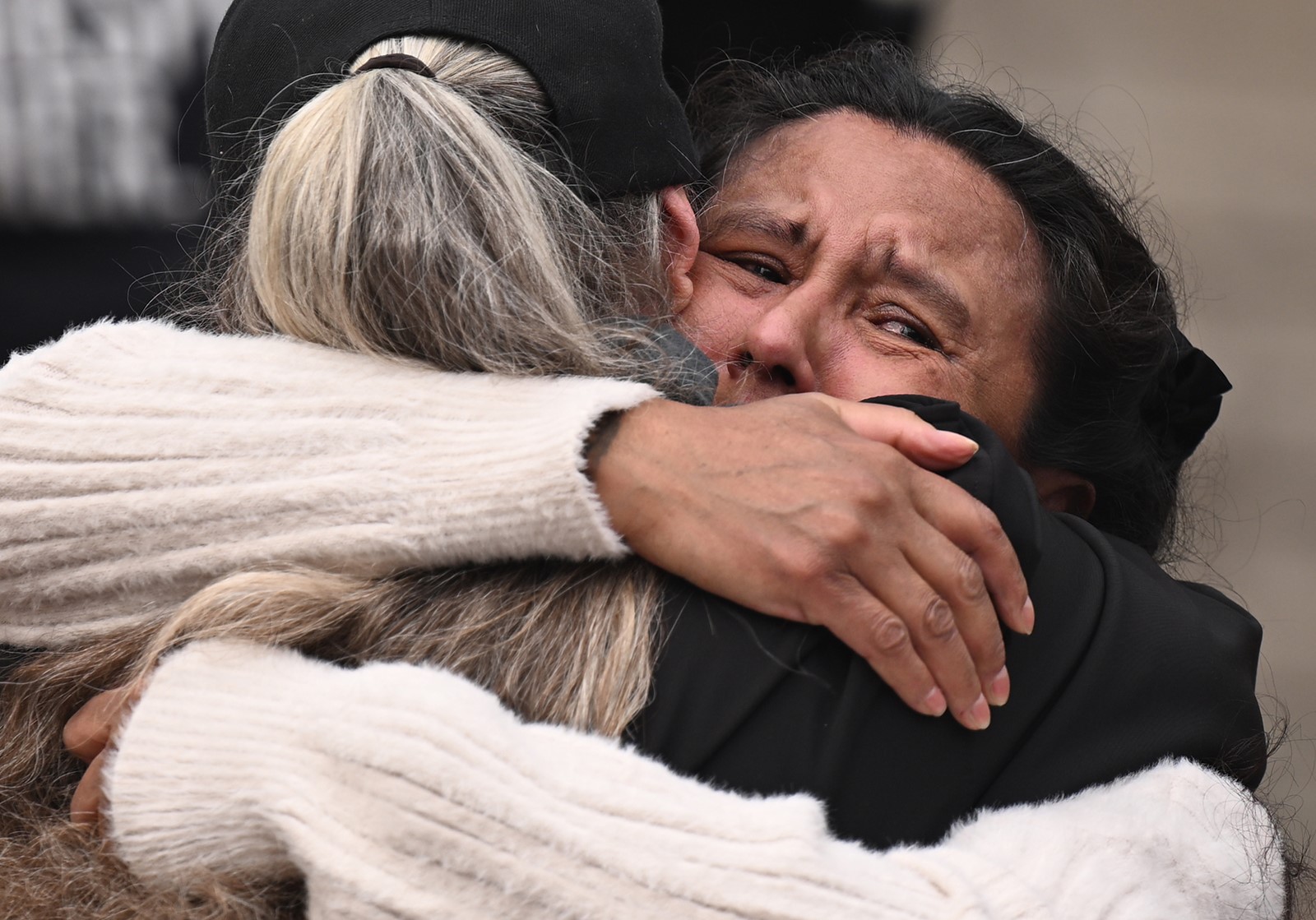
After her release Jeanette immediately went back to rallying people in support of immigrant rights. She continues to speak out for the rights of workers and immigrants and for greater accountability from ICE agents. In 2017 Jeanette was named one of Time Magazine’s “100 Most Influential People in the World.” In the course of her fight, she received support from many Colorado political figures such as Representatives Joe Neguse, Ed Perlmutter, Jason Crow, and Diana DeGette; Senators Michael Bennet and John Hickenlooper; and Denver Mayors Michael Hancock and Michael Johnston. She received the Robert F. Kennedy Human Rights Award in 2025. As recently as July 2026 Jeanette spoke out against the spread of tuberculosis among detainees in the Aurora ICE facility.
“The government wants to silence my voice, but I will continue to sow rebellion until I reap freedom,” Vizguerra said. “This award is not only for me but for every person who has been involved in my life — especially my children and my immigrant community. I hope our voices are never silenced.” – Jeanette Vizguerra, Denver Post, May 21, 2025
green card - a document that allows an immigrant to work and live in the U.S. for a long period of time
sanctuary - a place that grants shelter or protection
draft - when citizens are forced into the military
misdemeanor - a low level crime, not a felony
dreamers - people who were brought to the U.S. as children who were provided a path to citizenship by the DACA (Deferred Action for Childhood Arrivals) Program started in 2012
Holocaust - The murder of millions of minorities including Jews, Romani, and LGBTQ people by the Nazis
abhorrent - something horrible
tuberculosis - a very dangerous disease of the lungs
Are you or any member of your family an immigrant? Why did you or your family move to the U.S.?
Why do you think immigrants have been such an important part of the United States?
Do you think people should be welcoming to immigrants? Why?
Jeanette Vizguerra Clipping File (Available upon request)
American Friends Service Committee